
GROUP COACHING
Group coaching is a powerful and effective technique for working with people to improve their health, well-being, personal strengths, self-efficacy, leadership qualities, and team-building skills. Over the last couple of decades, coaching in organisations has become increasingly common, with external consultants delivering coaching support regularly. Group coaching not only provides cost savings but also offers significant benefits by strengthening team bonds and improving awareness of decision-making within a broader organisational structure.
Key Offerings:
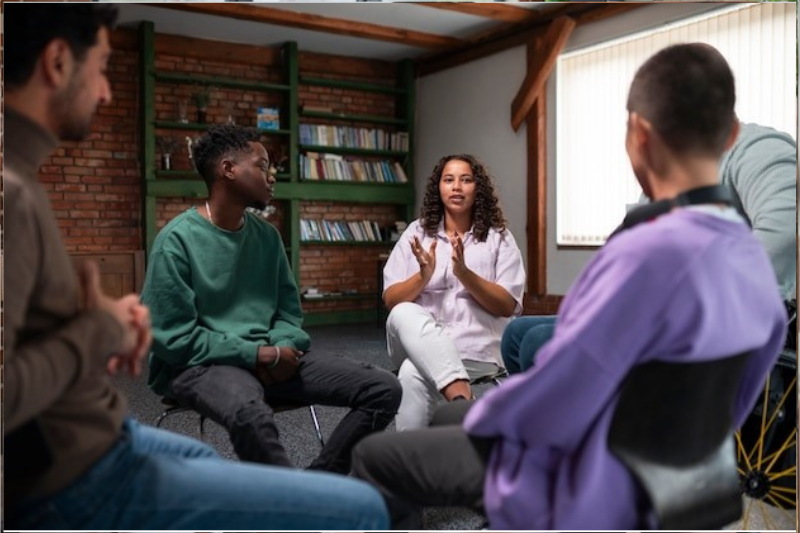
Interactive Group Sessions:
These sessions provide a platform for participants to engage in meaningful discussions and activities that promote understanding and cooperation. They are designed to address specific team challenges and develop collective strengths.

Team Building Activities:
Activities designed to strengthen relationships within the team, build trust, and improve teamwork. These activities are tailored to meet the unique needs and preferences of each team, promoting a positive and cohesive environment.

Conflict Resolution Strategies:
Techniques to help teams navigate disagreements and find constructive solutions. These strategies enhance communication, active listening, and conflict management skills, fostering a healthier work environment.
Benefits
Group coaching, when executed effectively, can significantly enhance individual, team, and organisational performance, providing lasting benefits for all involved.
1. Enhanced Communication
Improved communication skills lead to clearer understanding and better collaboration among team members.
2. Increased Trust and Cooperation
Building trust among team members through transparency and mutual respect, resulting in greater cooperation.
3. Greater Team Cohesion
Teams are better equipped to handle disagreements and challenges, leading to a more harmonious work environment and reduced negative impacts on productivity and morale.
4. Improved Performance
Effective communication, trust, and conflict management lead to better team performance and overall organisational success.
5. Systemic Awareness
Participants gain a better understanding of the organisation and recognise the broader impacts of individual decisions. Group settings encourage consensus-building and listening to diverse opinions, promoting corporate thinking over individual goals.
6. Culture of learning and growth
The organisation creates an environment where continuous learning and improvement are encouraged and supported.
Lead with greater confidence and intention
Engage in structured group coaching sessions designed to build leadership capability, encourage shared learning, and support accountability in a collaborative and supportive environment.